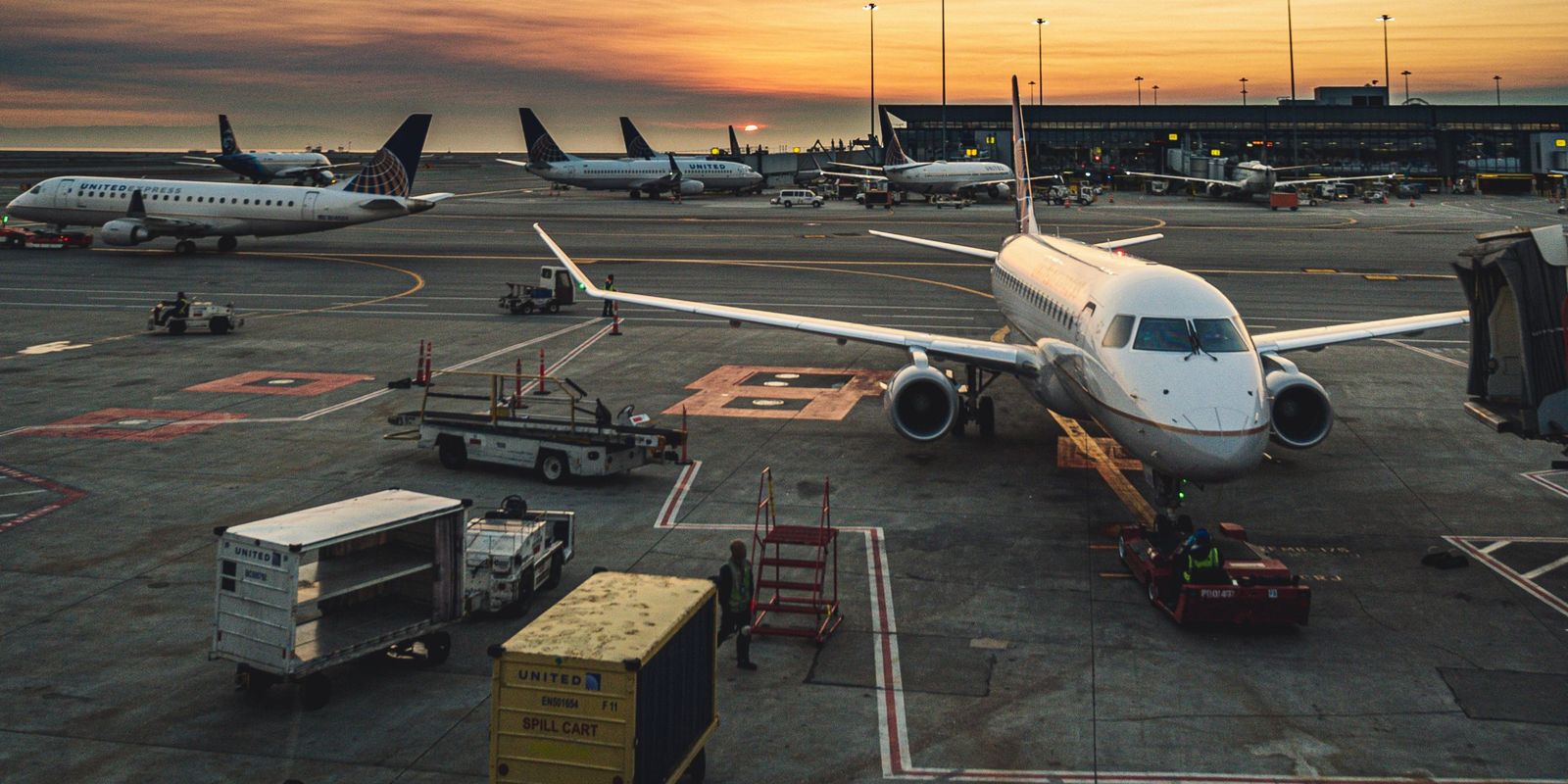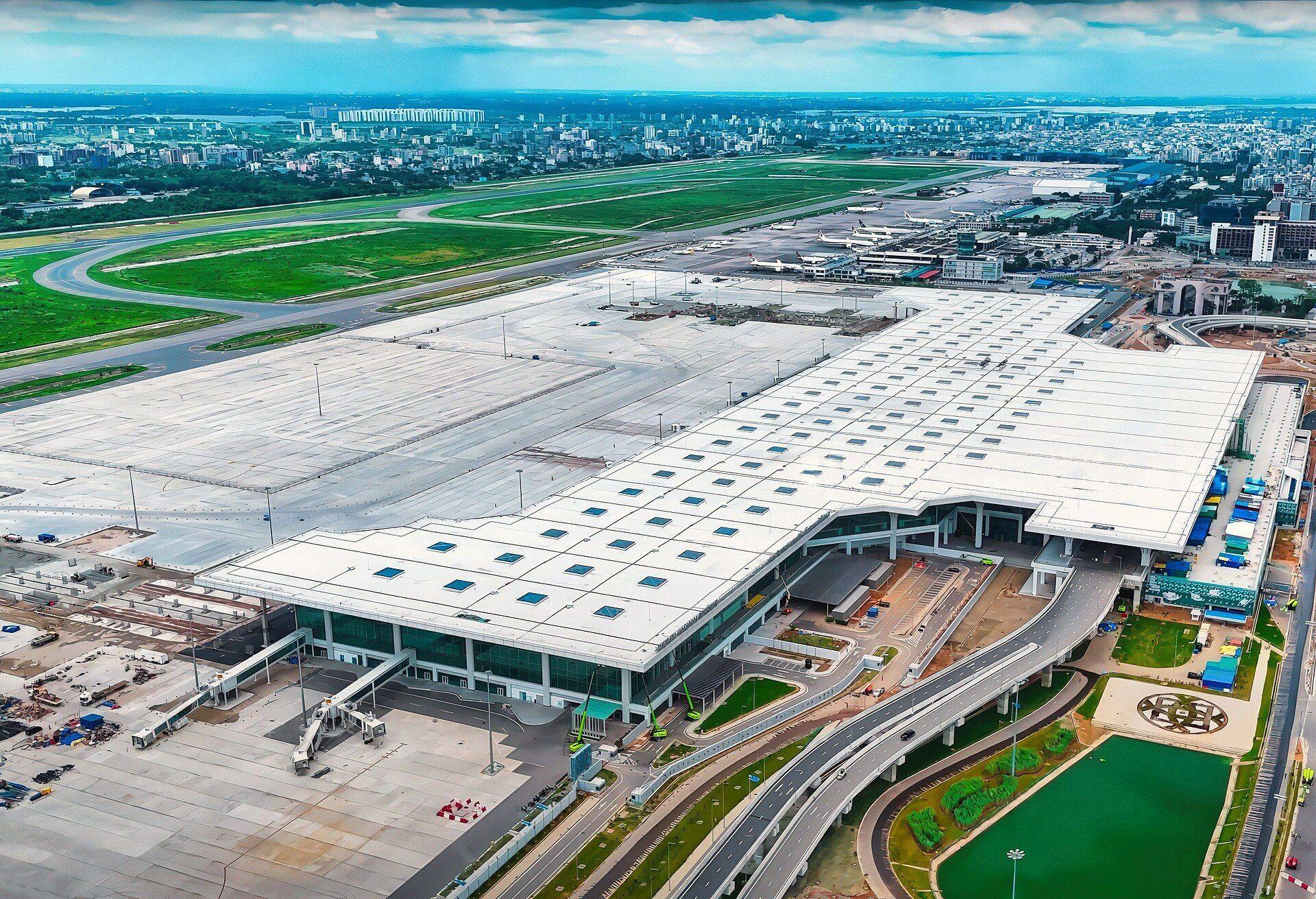
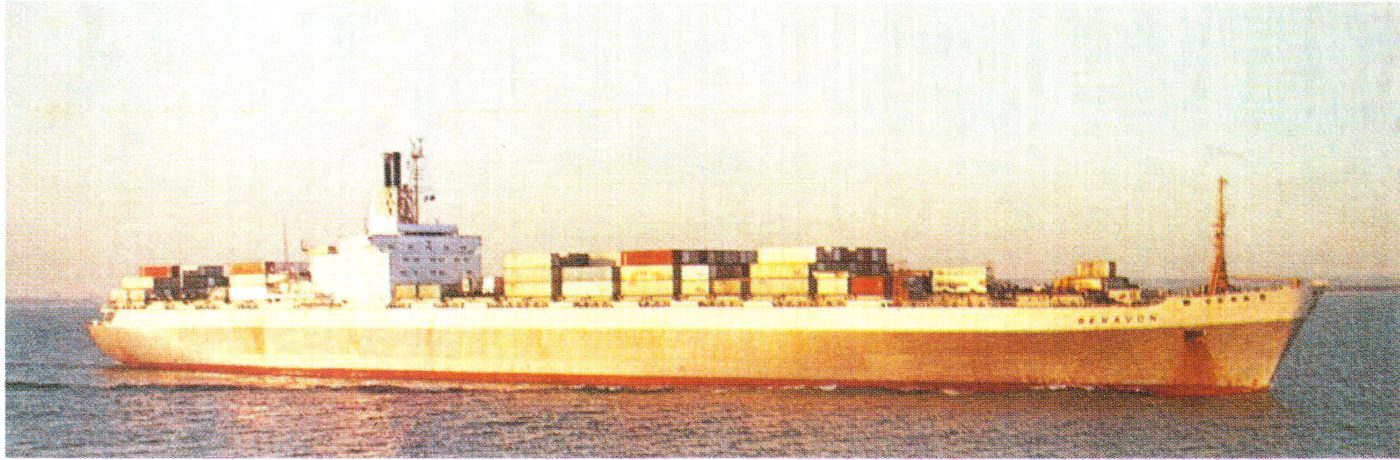
Most shippers in Bangladesh move cargo by sea through Chittagong and switch to air out of Dhaka when time matters. The right choice for a given shipment depends on four things: how urgent it is, what it is worth, what it is, and how much risk the supply chain can carry.
When air freight makes sense
- High-value or time-critical goods, such as samples, spare parts, electronics and pharmaceuticals
- Seasonal or fashion stock where a missed window costs more than the freight
- Small consignments where sea-freight minimums and port handling outweigh the saving
- Recovery shipments when production or a vessel has slipped
When sea freight makes sense
- Full container loads and heavy, lower-value cargo
- Regular replenishment that can be planned weeks ahead
- Oversized or project cargo that is easier to stow on a vessel
The cheapest mode on the rate sheet is not always the cheapest once inventory, delays and stock-outs are counted.
Combining modes
Some supply chains split a shipment, sending part by air to protect a launch date and the rest by sea, or use rail and inland transport to reach the port or airport faster. For heavy-lift and outsized cargo, a charter can be the only practical option.
Paperwork either way
Delays at Dhaka and Chittagong usually come from documents rather than inspection. Our C&F team clears shipments at both, and our transport department moves cargo on our own fleet of covered vans, prime movers and trailers. Tell us what you are shipping and when it needs to arrive, and we will recommend the mode and route.